
Modern Technology
Equipment that makes dentistry gentler, faster and more accurate
Technology in dentistry is only worth having when it changes something the patient can feel: less radiation, fewer appointments, no impression putty, a better fit. Everything on this page earns its place by that test.
Here is exactly what we use, and what it means for you in the chair.
Digital X-rays
Solid-state sensors replace film and cut radiation exposure by up to 80%. The image appears on the screen beside you in about two seconds, so we can point at what we are seeing and explain it while you look at the same picture.
3D Cone-Beam Imaging (CBCT)
A single rotation produces a three-dimensional model of your jaw, showing bone volume, nerve position and sinus anatomy to a tenth of a millimetre. Every implant we place is planned on this data first — never guessed from a flat X-ray.
Intraoral Scanners
A wand the size of an electric toothbrush captures your teeth in about ninety seconds. No trays, no setting putty, no gagging — and the digital model is more accurate than any physical impression, which is why crowns fit better.
Laser Dentistry
Soft-tissue lasers reshape gums, treat periodontal pockets and perform small procedures with less bleeding, less need for stitches and markedly faster healing than a scalpel.
CAD/CAM & In-House Milling
Restorations are designed on screen and milled from a solid ceramic block in our own laboratory. Suitable crowns are designed, made and fitted in one appointment — no temporary, no second injection.
Intraoral Cameras
A pen-sized camera shows you the crack, the leaking margin or the inflamed tissue on a large screen. You should never have to take a treatment recommendation purely on trust.

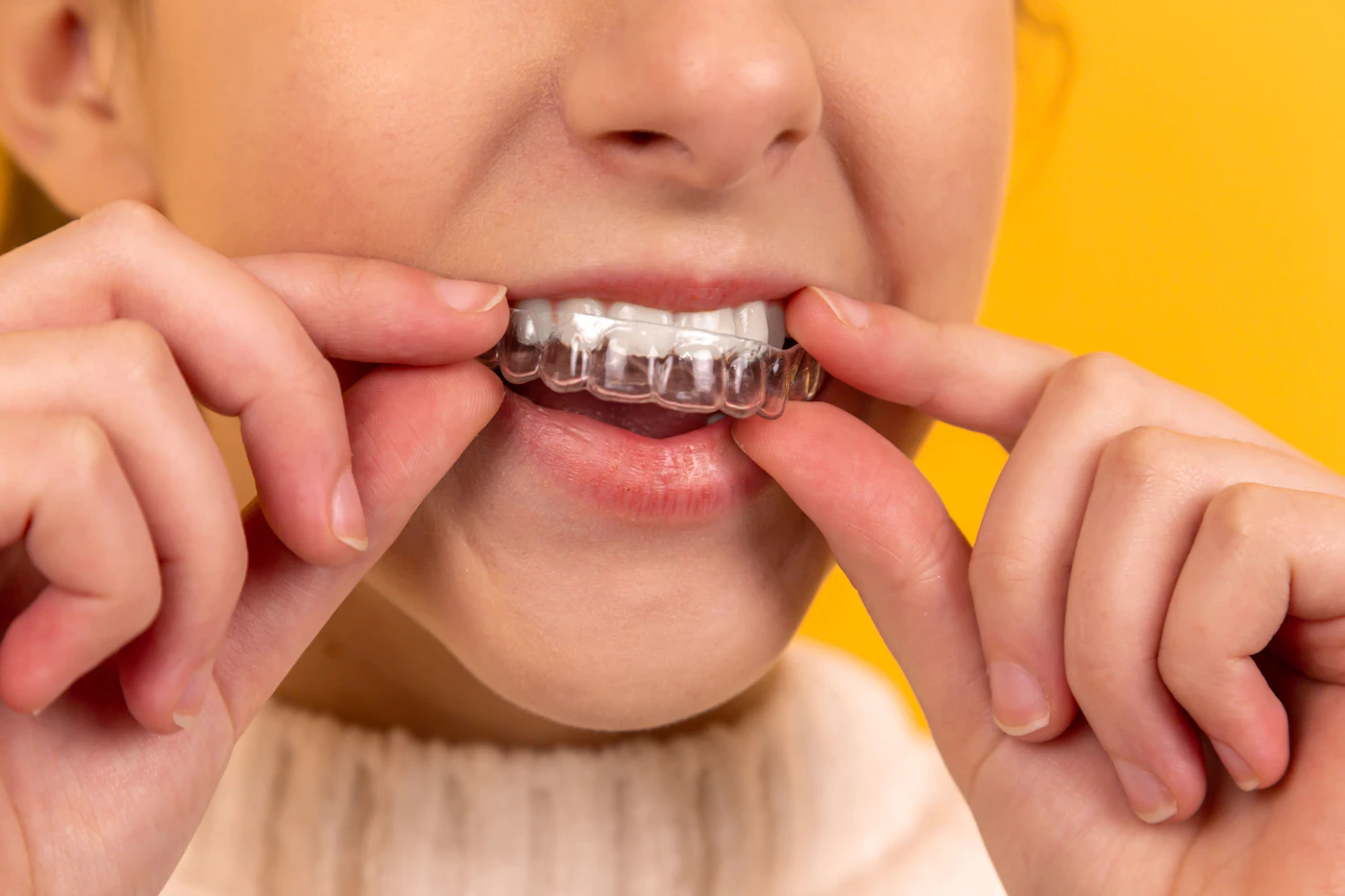
- Up to 80% less radiation than traditional film X-rays
- No impression putty for the vast majority of cases
- Same-day crowns for suitable teeth
- Implants placed through printed surgical guides, not freehand
- You see your own images and understand the reasoning
Better instruments do not make a better clinician, but they remove guesswork from decisions that used to depend on it. A 3D scan turns implant surgery from an educated estimate into a measured plan, and a digital scan turns crown fit from a millimetre problem into a micron one.